The Biology of Recovery: What Actually Heals Between Workouts

Aaron Volkoff
Infographic titled “The Biology of Recovery: What Actually Heals Between Workouts” showing that training creates stress and temporary performance decline, while recovery drives adaptation. It highlights four systems involved in recovery—the neuroendocrine system, immune system, mitochondria, and sleep—and explains that growth happens between workouts when these systems work together.

The Biology of Recovery: What Actually Heals Between Workouts

(Neuroendocrine, Immune, Sleep, Mitochondria)


Introduction: Training Is The Stress, Recovery Is The Adaptation

Most people think muscle grows in the weight room. It does not. It is broken down in the weight room.

The work you do in the weight room, on the track, or in practice is a controlled stress that temporarily makes you weaker, not stronger. During and immediately after a hard session, you have more tissue damage, more inflammation, more fatigue, and less performance than when you started. The real magic happens in the hours and days between workouts. That window between sessions is when the body decides whether to adapt, stay the same, or start to break down.


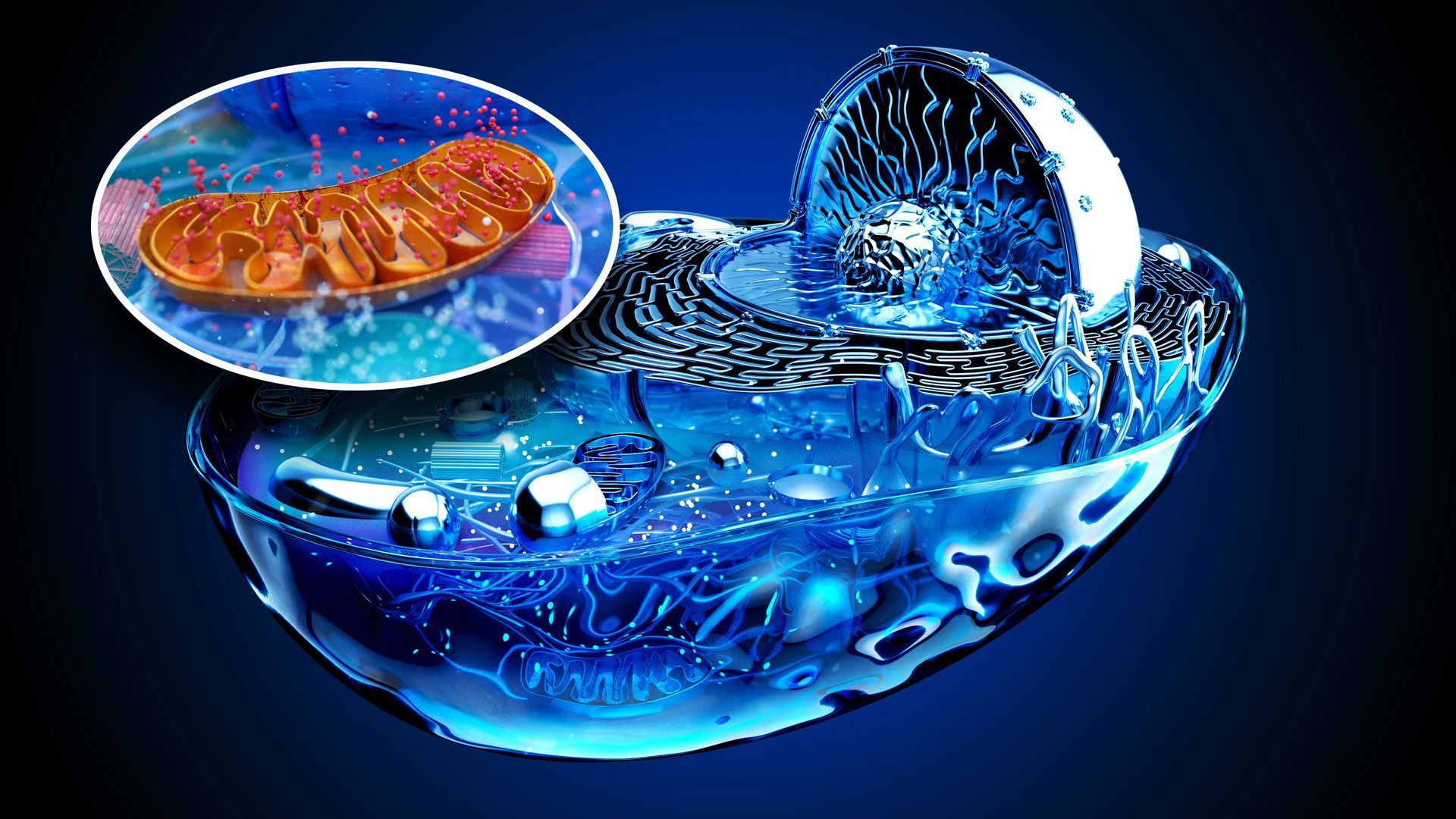
To understand what actually heals between workouts, we have to zoom out from just the muscle and look at the systems that mediate recovery. The neuroendocrine system determines which hormones are released and when. The immune system cleans up damaged tissue and directs repair. Sleep provides the environment where these signals can operate at full power. Mitochondria, the “powerhouses” of the cell, supply the energy and quality control needed for long-term adaptation.

Key point: A training program is not just sets and reps. It is a conversation between stress and recovery. The outcome of that conversation—growth or burnout—depends on how well these systems work together between workouts.


What Training Does To The Body: Controlled Damage And Disruption

Whether you are lifting heavy, sprinting, or doing long intervals, hard training creates similar categories of disruption:

  • Mechanical stress
  • Metabolic stress
  • Neural and hormonal stress


Mechanical stress refers to the micro-tears and structural strain on muscle fibers, tendons, and connective tissue. Strength training in particular produces damage within muscle. This is what leads to delayed onset muscle soreness (DOMS) 24–72 hours after a tough session and is part of the normal remodeling process when managed correctly.


Metabolic stress comes from the buildup of byproducts such as hydrogen ions, carbon dioxide, and other waste molecules created when muscles burn through ATP during exercise. High-intensity work increases reliance on anaerobic pathways, producing more metabolic byproducts that must be cleared by the liver, kidneys, lungs, and skin.


Neural and hormonal stress shows up through activation of the sympathetic nervous system (the “fight or flight” branch) and the release of stress hormones like epinephrine and cortisol. These signals are useful during exercise, helping mobilize fuel and increase heart rate, but they represent a short-term disruption in homeostasis.


At the moment, all of this is necessary. Your body is supposed to be out of balance during a hard session. Recovery is the process of bringing the system back toward balance—and, if you provide enough resources and not too much stress, to a slightly higher level of capacity than before.


The Neuroendocrine System: Turning Stress Into Growth

The neuroendocrine system—the combined action of the nervous and endocrine systems—is the control center that translates training into hormonal signals.


Acute Response: Fight, Fuel, And Focus

During a hard workout, the sympathetic nervous system ramps up. Neurons release neurotransmitters like norepinephrine at nerve endings, while the adrenal glands release epinephrine and cortisol into the bloodstream.


Epinephrine and norepinephrine increase heart rate, blood pressure, and energy availability.

Cortisol helps mobilize glucose and fatty acids, making energy available to working muscles.

These stress hormones are not “bad.” In the acute setting, they are essential for performance. The problem arises when the stress signal never shuts off. That is where recovery comes in.


Transition To Recovery: Shifting From Breakdown To Rebuilding

After the workout, if you stop moving, refuel, and allow the body to down-regulate, the neuroendocrine system begins to shift gears.


Sympathetic activity decreases, parasympathetic (“rest and digest”) activity increases.


Cortisol levels gradually fall back toward baseline instead of staying elevated all day.


Anabolic hormones such as growth hormone (GH), testosterone, and insulin start to play a larger role, particularly after sleep and feeding.


Growth hormone, released in pulses from the pituitary gland, supports tissue repair, fat metabolism, and collagen synthesis. Insulin and IGF-1, especially after a mixed meal with protein and carbohydrates, help move amino acids and glucose into muscle cells, where they can be used for protein synthesis and glycogen restoration.


On a molecular level, pathways like mTOR become more active when energy and amino acids are available. mTOR drives muscle protein synthesis and growth, while pathways like AMPK, activated more during energy stress, support mitochondrial adaptations and fuel utilization.

Key point: You cannot separate “hormones” from “recovery.” The pattern of hormones before, during, and especially after training determines whether the body gets a “break down more” or a “build back stronger” message.


The Immune System: Cleanup Crew And Construction Team

When you lift heavy, sprint, or play a high-intensity game, you are not just fatiguing muscles—you are creating micro-injuries throughout the tissue. The immune system is responsible for cleaning up that damage and coordinating repair.


Inflammation: Not The Villain

After tissue is stressed, immune cells move into the area and create a localized inflammatory response. This includes swelling, increased blood flow, and the release of signaling molecules called cytokines.


Inflammation has two key roles in recovery:

Removing damaged cells and debris.


Signaling satellite cells and other repair mechanisms to start rebuilding.


This is why some soreness and stiffness after a new or hard training block is normal. It is evidence that your immune system is doing its job. Problems arise when the “repair project” never finishes—either because the stress keeps coming with no break, or because other systems (nutrition, sleep, neuroendocrine) are not providing the resources to complete the job.


When Recovery Goes Wrong: Chronic Inflammation

If training volume is too high, rest is inadequate, or lifestyle stress is stacked on top of exercise stress, the immune system can remain in a chronically activated state. Instead of short-term, targeted inflammation around specific tissues, you start to see more systemic inflammation and elevated stress hormones.


This chronic, low-grade inflammatory state is associated with:

  • Slower tissue repair
  • More frequent illnesses
  • Joint and tendon pain that never quite resolves
  • Reduced mitochondrial function over time


Mitochondrial dysfunction and chronic inflammation often feed each other. Damaged mitochondria can leak signals that trigger immune pathways, while ongoing inflammation can further damage mitochondria.

Key point: The immune system is not just about fighting colds. It is the construction crew that rebuilds your tissue between workouts. For that crew to work, it needs time off from constant demolition.


Mitochondria: Powering The Repair Process

Every aspect of recovery—building new proteins, pumping ions to restore membrane potentials, running immune responses, even consolidating memories during sleep—requires energy. That energy comes in the form of ATP, and mitochondria are where most of that ATP is made.


Mitochondria Do More Than Make Energy

Mitochondria are organelles found in almost every cell except red blood cells. Their primary role is to convert the energy from food into ATP through processes like glycolysis, the Krebs cycle, and the electron transport chain.

Beyond ATP production, mitochondria:

  • Help regulate calcium levels in cells
  • Influence cell death and survival
  • Produce heat
  • Participate in hormone synthesis, including stress and sex hormones.

Because of these roles, mitochondrial health directly affects how quickly you recover, how much fatigue you experience, and how well your body adapts over time.


Repairing The Powerhouses: Mitophagy And Biogenesis

Hard training and normal metabolism generate reactive oxygen species (ROS), which can damage mitochondrial structures over time. The body has a quality control system called mitophagy—essentially mitochondrial recycling—that identifies and removes damaged mitochondria so new, more efficient ones can be formed.


Certain conditions make this quality control and rebuilding process more effective:

Regular exercise, especially aerobic and interval work, signals the body to create more and better mitochondria.


Periods of energy stress, like fasting or simply not over-eating, can stimulate mitophagy.


Adequate sleep allows mitochondria to repair oxidative damage and restore function.


On the other hand, chronic overnutrition, poor sleep, and a sedentary lifestyle slow mitophagy and allow damaged mitochondria to accumulate, leading to less efficient energy production and more fatigue.

Key point: You do not just recover muscles between workouts—you also recover mitochondria. Training provides the stimulus to improve them, and recovery provides the conditions to actually do the work.


Sleep: The Master Recovery Environment

If training is the spark and hormones and mitochondria are the tools, sleep is the workshop where almost all of the heavy repair work happens. Quality sleep is one of the most powerful, and most underrated, performance enhancers available.


What Happens During Sleep?

During deep non-REM sleep, several key processes related to recovery take place:

Growth hormone pulses: GH release peaks shortly after you fall asleep and during early deep sleep cycles. This hormone supports protein synthesis, tissue repair, and fat metabolism.


Neuroendocrine reset: Cortisol tends to be lower at night, then slowly rises toward morning. When sleep is disrupted or cut short, cortisol patterns shift, which can impair recovery, mood, and glucose regulation.

Immune recalibration: Sleep helps the immune system coordinate inflammatory and anti-inflammatory responses. Poor sleep is associated with higher baseline inflammation and increased illness risk.


Mitochondrial repair: Deep sleep provides a low-stress environment where mitochondria can repair oxidative damage and restore their ability to produce ATP effectively. Sleep restriction has been shown to reduce mitochondrial respiration in muscle, which directly translates to reduced performance and recovery capacity.


In simple terms, sleep is when your body runs its software updates, takes out the cellular trash, and rebuilds hardware. If you consistently cut that process short, you will eventually pay for it in the form of slower recovery, stalled progress, and higher risk of injury or illness.


Sleep And The Athlete “Recovery Budget”

For athletes and active individuals, sleep is part of the recovery budget alongside nutrition, hydration, and rest days. If an athlete increases training load but does not increase sleep—or worse, reduces sleep—something has to give. Usually, that “something” is performance, immune resilience, or mental health.

Key point: You can think of each night of sleep as a recovery session. Missing or shortening those sessions is the same as skipping rehab or treatment—you may not notice it immediately, but over weeks and months it changes the trajectory of your progress.


Putting It All Together: How Systems Cooperate

Recovery is not one system working in isolation. It is a coordinated effort:

  • Training creates mechanical, metabolic, and neural stress.
  • The neuroendocrine system responds acutely with stress hormones, then, if given the chance, shifts toward anabolic and repair-supporting hormones.
  • The immune system cleans damaged tissue and initiates rebuilding.


Mitochondria provide the energy and adapt to future demands by improving their number and function.

Sleep ties it together by providing the environment for hormonal pulses, immune coordination, and mitochondrial repair.


When these systems are in balance—with appropriate training stress, adequate sleep, supportive nutrition, and reasonable life stress—the result is positive adaptation: more strength, better endurance, improved resilience. When they are out of balance—too much stress, not enough recovery—the same systems that should help you adapt instead drive fatigue, illness, and plateau.


Key point: What actually heals you between workouts is not a single supplement, tool, or gadget. It is the coordinated work of your neuroendocrine system, immune system, mitochondria, and sleep. Training is the signal. Recovery determines how well you can listen to it.

By Aaron Volkoff December 28, 2025
By Aaron Volkoff November 2, 2025
By Aaron Volkoff July 29, 2025
By Aaron Volkoff June 29, 2025
By Aaron Volkoff June 1, 2025
By Aaron Volkoff May 4, 2025
THE SYSTEMS OF LOCOMOTION NEUROMUSCULAR & MUSCULOSKELETAL SYSTEMS Human movement is a complex feat of the human body that requires a seamless interplay of the neuromuscular and musculoskeletal systems. These systems not only enable locomotion—from walking to jumping—but also maintain posture, regulate body temperature, and protect internal organs. Understanding their structure, function, and integration is key to appreciating how we move, train, and adapt. This article will attempt to provide examples of how the nervous, muscular and skeletal systems work together whether it is to crush our next race and keep us upright. THE NEUROMUSCULAR SYSTEM: WIRING & CONTROL OF MOVEMENT Movement in the human body depends on the close connection between 3 key systems, nervous, skeletal and muscular. These systems can also be grouped by function as the neuromuscular system and the musculoskeletal system. The neuromuscular system acts as the control center for movement, linking the brain and spinal cord (the central nervous system ) with the muscles throughout the body. It takes our thoughts and intentions—like deciding to stand up, pick something up, or walk—and turns them into actual physical actions. The central nervous system (CNS) , made up of the brain and spinal cord, is responsible for processing information and deciding how the body should respond. The peripheral nervous system (PNS) is made up of nerves that branch out from the spinal cord and travel throughout the body. These nerves carry messages back and forth between the CNS and the muscles. When you want to move, the brain sends signals through motor neurons to muscle fibers. Each motor neuron , along with the muscle fibers it controls, is called a motor unit . Small motor units (with fewer muscle fibers) are used for precise tasks, such as writing or typing, while large motor units (with many fibers) are used for strong, powerful movements like lifting heavy objects. Movement actually begins at a specialized connection called the neuromuscular junction (NMJ) . This is where the motor neuron meets the muscle fiber. When a signal reaches the end of the neuron, it releases a chemical called acetylcholine , which crosses the small gap and binds to receptors on the muscle. This causes the muscle to contract and produce movement. Without this chemical communication, the muscle wouldn’t know when to move. To keep the body balanced, coordinated, and controlled during movement, the neuromuscular system also relies on proprioception . This is the body’s internal sense of position and motion. Specialized receptors in muscles, tendons, and joints constantly send feedback to the brain about where different parts of the body are and how they’re moving. For example, when you walk on uneven ground or catch a ball, proprioception helps you make quick, accurate adjustments without needing to think about every detail. It plays a vital role in maintaining balance, preventing injury, and allowing smooth, efficient motion. Together, the neuromuscular system makes it possible for the body to respond quickly, move accurately, and perform both simple and complex tasks. It works hand-in-hand with the musculoskeletal system to make all types of human movement possible—from everyday activities to athletic performance. THE MUSCULOSKELETAL SYSTEM: STRUCTURE & SUPPORT While the neuromuscular system controls movement, the musculoskeletal system provides the structure and power to carry it out. This system includes bones , joints , muscles , and various connective tissues that work together to support the body, protect internal organs, and enable movement. The human body has 206 bones that make up the skeletal system . These bones form the body’s framework, giving it shape and structure. They also act as levers that muscles pull on to create movement. Bones do more than just support the body—they protect vital organs like the brain, heart, and lungs. Where two bones meet, joints allow for flexibility and motion. Some joints, like those in the skull, don’t move at all, while others, like the shoulder or knee, allow a wide range of movement. Attached to these bones are the skeletal muscles , which are responsible for voluntary movement—meaning we can control them. These muscles appear striated (striped) under a microscope and are connected to bones by tough cords called tendons . When a skeletal muscle contracts , it pulls on the bone to create movement. These muscles also help maintain posture and allow us to hold our body upright against gravity. Tendons play a critical role by transmitting the force generated by the muscle directly to the bone. Other connective tissues within and around the muscle help organize muscle fibers, keep everything in place, and provide extra support during movement. These tissues help muscles work more efficiently and protect them from injury. Muscles usually work in pairs known as antagonistic pairs . When one muscle (the agonist ) contracts to move a joint, the opposite muscle (the antagonist ) must relax to allow the movement to happen. For example, when you bend your elbow, your biceps contract while your triceps relax. There are also synergist muscles that assist the main movers and stabilizers that keep the body steady during movement. For example, the quadriceps are the primary knee extensors, but the adductors also help extend the knee, albeit, weakly. Beyond movement, the musculoskeletal system serves other important purposes. Muscles generate heat , which helps maintain the body’s core temperature—a process called thermoregulation . Bones also act as storage sites for important minerals like calcium and phosphorus. Inside certain bones, bone marrow produces blood cells, which are essential for oxygen transport, immunity, and clotting. The musculoskeletal system not only allows us to move but also keeps our body strong, supported, and functioning properly. Working closely with the neuromuscular system, it makes all forms of locomotion—from walking to sprinting—possible. THE MUSCULOSKELETAL SYSTEM INTEGRATION: HOW THE SYSTEMS WORK TOGETHER Movement happens through a constant, dynamic connection between the neuromuscular and musculoskeletal systems . These systems work together every time we perform even the smallest motion. It begins with initiation , when the brain sends a message through motor neurons to the appropriate skeletal muscles . This electrical signal travels from the central nervous system through the peripheral nerves to reach its target. Next comes execution . At the neuromuscular junction (NMJ) —the connection between a nerve and a muscle fiber— neurotransmitters like acetylcholine are released. These chemicals trigger the muscle fibers to contract , pulling on bones and creating movement at the joints . During movement, the body also relies on coordination and feedback . Specialized sensors in muscles, tendons, and joints send information back to the brain about body position and motion. This sense, called proprioception , helps the central nervous system (CNS) make quick adjustments to keep movements smooth, balanced, and accurate. With repeated use and training, both systems show adaptation . Muscles become stronger , bones become more dense , and the nervous system becomes better at recruiting the right muscles efficiently. This is how skill, strength, and control improve over time. A SPORT SPECIFIC EXAMPLE: THE SPEAR THROW A real life example of how the neuromuscular and musculoskeletal systems work together is the spear throw in a Spartan Race . For those that have done it, this obstacle is much more than simply throwing a brook handle at a target—it’s a test of accuracy, coordination, power, balance , timing , and mental acuity under stress all of which rely on the smooth integration of the mind body connection. It starts with initiation , as the athlete decides to throw. The brain quickly sends a signal through motor neurons to activate the muscles involved, including those in the shoulders, arms, core, and legs . These muscles prepare the body for the throw by generating tension and positioning the body correctly. Then comes the throw . At the neuromuscular junction , neurotransmitters like acetylcholine trigger the muscle fibers to contract in a coordinated sequence. The rotator cuff , deltoids , triceps , latissimus dorsi , and core muscles all work together to launch the spear. These contractions pull on bones, moving joints and creating a smooth, explosive throwing motion. The lower body , including the glutes and quadriceps , also plays a role, driving power from the ground up to support the upper body during the release. Throughout the movement, the athlete’s proprioceptive system —sensors in muscles and joints—sends constant feedback to the brain. This feedback helps the body adjust mid-throw for balance, aim , and timing . For example, if the arm angle is off or the step is too short, the brain can make split-second corrections. With repetition and training , the body adapts. The nervous system becomes better at coordinating muscle groups, the muscles involved become stronger and more explosive, and movement becomes more efficient and accurate . This is why experienced athletes are often able to make the spear throw look easier—even under fatigue. In high-stress settings like a Spartan Race, this blend of mental focus, precise motor control, muscular strength, and joint mobility shows how the neuromuscular and musculoskeletal systems must perform in unison for successful athletic performance.[1][4][9]. THE SPEAR THROW STEP BY STEP Visual Recognition (Afferent Pathway): Motor Planning and Command. Signal Transmission to Muscles (Efferent Pathway): Muscle Activation and Movement Execution: Feedback and Adjustment: THE COST OF INACTIVITY: WHAT HAPPENS WHEN WE DON’T MOVE While the neuromuscular and musculoskeletal systems are designed for movement, inactivity can cause these systems to weaken and break down over time. A sedentary lifestyle—especially one that involves long hours of sitting—can have serious effects on the body’s ability to move efficiently, stay balanced, and remain strong. When we sit for long periods, especially without breaks, the muscles of the core, hips, and lower body begin to weaken. Over time, this leads to poor posture, tight hip flexors, and imbalances between muscle groups. As these muscles weaken, they stop providing proper support for the spine and pelvis, increasing the risk of back pain and joint issues. The neuromuscular system also becomes less responsive, as the brain receives fewer signals from underused muscles and joints. This leads to slower reaction times and reduced coordination. Poor balance is another consequence of inactivity. Without regular movement and challenge to the body’s proprioceptive system (its ability to sense body position and make corrections), our stability declines. This is especially dangerous with aging, where poor balance and weakened muscles increase the risk of falls and injuries. Balance and coordination rely heavily on the nervous system’s ability to process sensory feedback and adjust muscle activation in real time—skills that can fade without regular use. In addition, the musculoskeletal system depends on strength training and weight-bearing activity to stay healthy. When muscles aren’t regularly challenged, they shrink (a process called atrophy), and bones begin to lose density. This makes them more fragile and increases the risk of conditions like osteoporosis. Without resistance training, the body fails to maintain the mechanical stress needed to stimulate bone growth and repair. As a result, both muscle and bone strength decline, making everyday movements harder and increasing the chance of injury. In short, regular movement is essential for keeping the neuromuscular and musculoskeletal systems strong and responsive. Without it, the body loses the very abilities it was built for—movement, strength, balance, and resilience. THE SYSTEMS OF LOCOMOTION: CONCLUSION Human movement is made possible by the combined efforts of the neuromuscular and musculoskeletal systems. The neuromuscular system acts as the body’s control center, translating brain signals into muscle contractions via motor neurons and neuromuscular junctions. It also uses proprioception—our sense of body position and motion—to maintain balance and coordination. The musculoskeletal system , made up of bones, joints, muscles, tendons, and connective tissues, provides the structure, power, and leverage needed for movement, posture, and protection of internal organs. These systems are deeply integrated: brain signals travel through nerves to activate muscles, which then contract and pull on bones to create movement. Feedback from joints and muscles allows the nervous system to fine-tune motion in real time. Repeated use and training lead to physical and neurological adaptations such as improved strength, coordination, and efficiency. A sport-specific example—the Spartan Race spear throw —demonstrates how mental focus, motor planning, muscle activation, and proprioception all come together for powerful, accurate movement. In contrast, inactivity weakens both systems. Prolonged sitting or sedentary habits lead to muscle atrophy, reduced bone density, poor posture, and diminished proprioception, increasing the risk of injury and loss of balance, especially with age.  Understanding how these systems work together emphasizes the importance of regular, varied movement to maintain strength, coordination, and overall health. SOURCES: [1] https://www.spartan.com/blogs/unbreakable-training/spartan-spear-throw [2] https://www.youtube.com/watch?v=2g3HoH84HZg [3] https://www.reddit.com/r/spartanrace/comments/8oeax9/spear_throwing_tips/ [4] https://race.spartan.com/en/life/training/four-tips-to-smash-the-spear-throw [5] https://www.youtube.com/watch?v=LFlClc4uwd8 [6] http://www.joewalker.co.uk/javelin_biomechanics.pdf [7] https://www.youtube.com/watch?v=PQ6f-ROeexI [8] https://coachesinsider.com/track-x-country/dynamics-in-javelin-throwing/ [9] https://uk.spartan.com/en/life/training/four-tips-to-smash-the-spear-throw [10] https://pubmed.ncbi.nlm.nih.gov/15763675/
By Aaron Volkoff April 1, 2025
The human body is a fascinating machine, composed of trillions of cells, hundreds of organs, and nearly a dozen organ systems, all working together in a magical dance to keep you upright and moving. Organ systems are groups of organs that interact to provide the body’s primary functions. For example the digestive system includes not only the stomach and intestines but other organs such as the liver, gallbladder and pancreas which are also part of the endocrine system. Each of these systems is highly complex, and the interactions between them are even more intricate. The interactions between systems become even more complex when we move beyond the normal range of functioning. Whether due to exercise, illness, or poor lifestyle choices, the body engages in remarkable processes just to keep us going. This process of returning the body to a normal state is referred to as homeostasis. The human body consists of eleven primary organ systems, each with specific roles that contribute to our survival and well-being. These systems include the integumentary, muscular, skeletal, cardiovascular, respiratory, nervous, digestive, urinary, endocrine, lymphatic, reproductive, and integumentary systems. Oftentimes, for teaching purposes we present these systems as discrete. Such as the muscular or the skeletal systems. While this does make sense for teaching purposes, it is not the way the body’s organ systems interact.
More Posts